Rustic and farmhouse get used as though they mean the same thing. Both are rural, both are warm, both lean on natural materials. Stand in two finished rooms, though, and the difference is obvious. One is dark, heavy and full of history. The other is pale, ordered and quietly practical. Knowing which one you are actually drawn to makes the decisions much easier — and knowing how to blend them keeps a room from looking like a showroom set.
Rustic Style: Age Left Alone
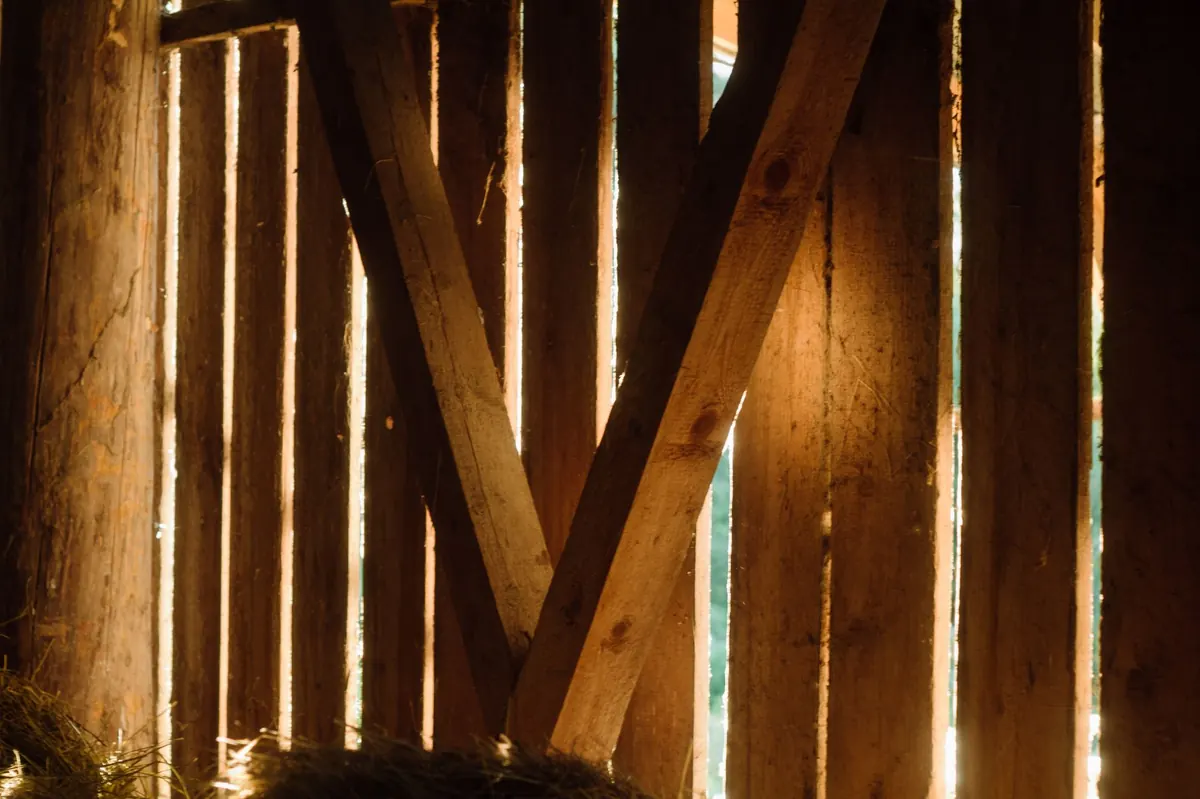
Rustic takes its cues from buildings that were never meant to be decorated: barns, crofts, stone cottages, mountain cabins. Nothing is hidden. Beams show saw marks, floorboards creak, plaster dips and rises. Colour comes from the landscape and the weather — clay, moss, charcoal, iron, rust, undyed wool.
Furniture is heavy and hand-built, repaired rather than replaced. A scratched settle bench or a scarred oak table is the point, not a fault. Lighting is low and pooled: candles, one pendant, a lamp in the corner doing more work than the ceiling light. Done badly it turns gloomy. Done well it feels like a room that has been lived in for a century, because it has.
Farmhouse Style: Rural, Tidied Up
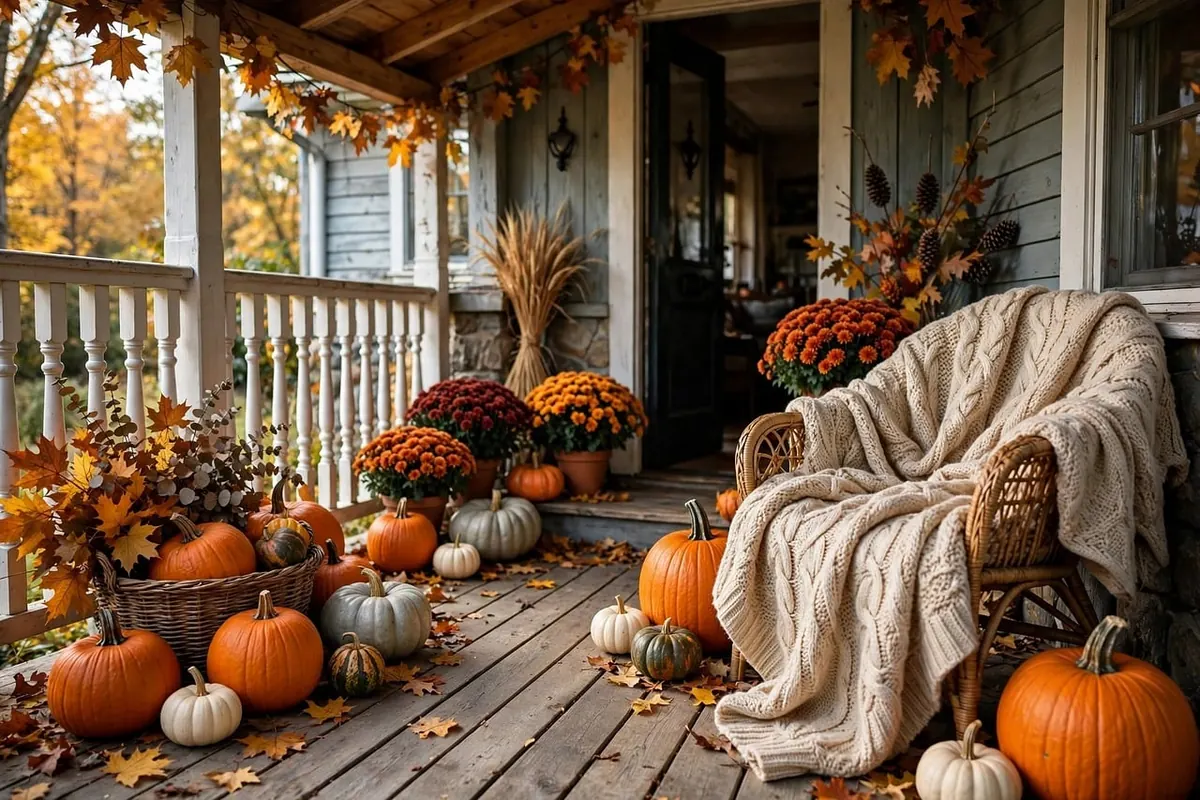
Farmhouse shares rustic's rural roots but swaps the shadows for daylight and order. Think whitewashed walls, tongue-and-groove panelling, a scrubbed pine table, an enamel jug of wildflowers, matching stoneware lined up on open shelves. The palette is chalky and light — off-white, cream, soft grey, pale sage — with wood usually painted or limed rather than left raw.
There is a useful distinction between the British and American versions. British farmhouse tends to be softer and more cottage-like: flagstones, a range cooker, kilims, fringed cushions, a bit of chintz. The American look leans harder on white shiplap, greyed timber and painted signage. Both can work in a UK home, but the British version generally sits more naturally in older properties.
Rustic vs Farmhouse: The Key Differences
The quickest way to tell them apart is to ask what each one does with age. Rustic preserves it. Farmhouse paints over it, then puts a jug of flowers on top.
- Palette: deep, earthy and weathered (clay, rust, charcoal, moss) against light, chalky neutrals (cream, off-white, soft grey, pale sage).
- Surface: raw and tactile — bare timber, stone, linen, wool, iron — against smooth and finished — painted wood, enamel, cotton, ceramic, brass.
- Furniture: chunky, reclaimed and deliberately mismatched against slimmer, scrubbed or painted pieces that sit together more neatly.
- Lighting: low, warm and pooled, with pockets of shadow, against brighter and more layered, with daylight doing more of the work.
- Accessories: things collected over years — old tools, baskets, dried stems, odd chairs — against useful objects repeated in multiples.
- Mood: cosy, grounded and slightly moody against airy, tidy and calm.
Neither is better, and neither is more authentic. Rustic forgives clutter. Farmhouse forgives imperfect paintwork. Rustic hides wear; farmhouse turns it into charm, provided the background is pale enough to carry it.
Where the Two Overlap
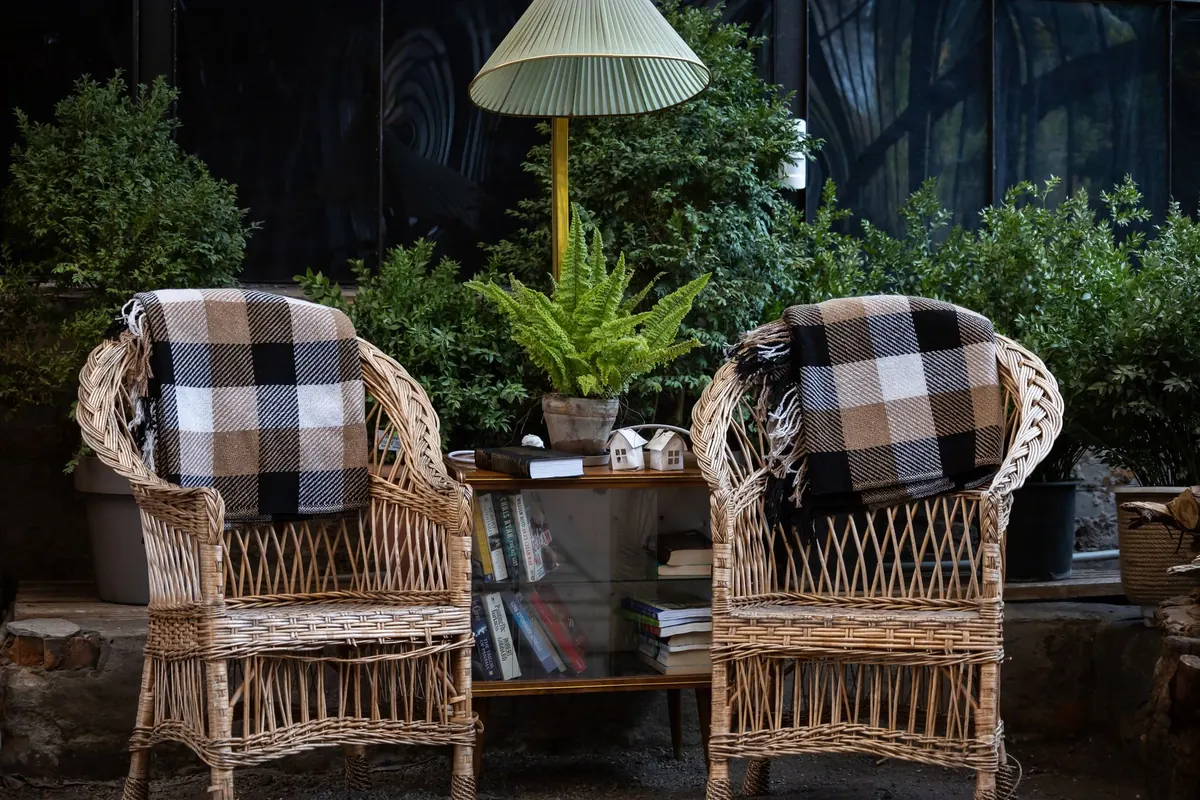
Plenty. Both favour natural materials, handmade objects and things with a job to do. Both look right with stoneware, wicker, sheepskin, aged brass, terracotta pots and a few plants. Both sit comfortably against period architecture and both look wrong next to glossy laminate and chrome.
Wood is the shared ground. A raw beam and a painted dresser can live in the same room because they are both wood, doing similar work. Once you notice that, blending stops feeling like a compromise and starts feeling like a choice about how much age you want to leave visible.
How to Blend Rustic and Farmhouse in One Room
Decide on a lead style first. The mixed rooms that work are usually about seventy per cent one look and thirty per cent the other, with the smaller share used as punctuation rather than a second theme.
- Set a background that suits both. Warm off-white, oatmeal, limestone or mushroom. A mid-tone gives the two styles somewhere to meet; bright white can make rustic look grubby, and deep brown can make farmhouse pieces look misplaced.
- Limit your wood tones. An oak floor, a pine dresser and a walnut sideboard is already one timber too many. Two or three tones, repeated, reads as intentional.
- Choose what gets painted and what stays raw. Built-in cupboards and panelling can go pale. Beams, floorboards and the main table stay honest.
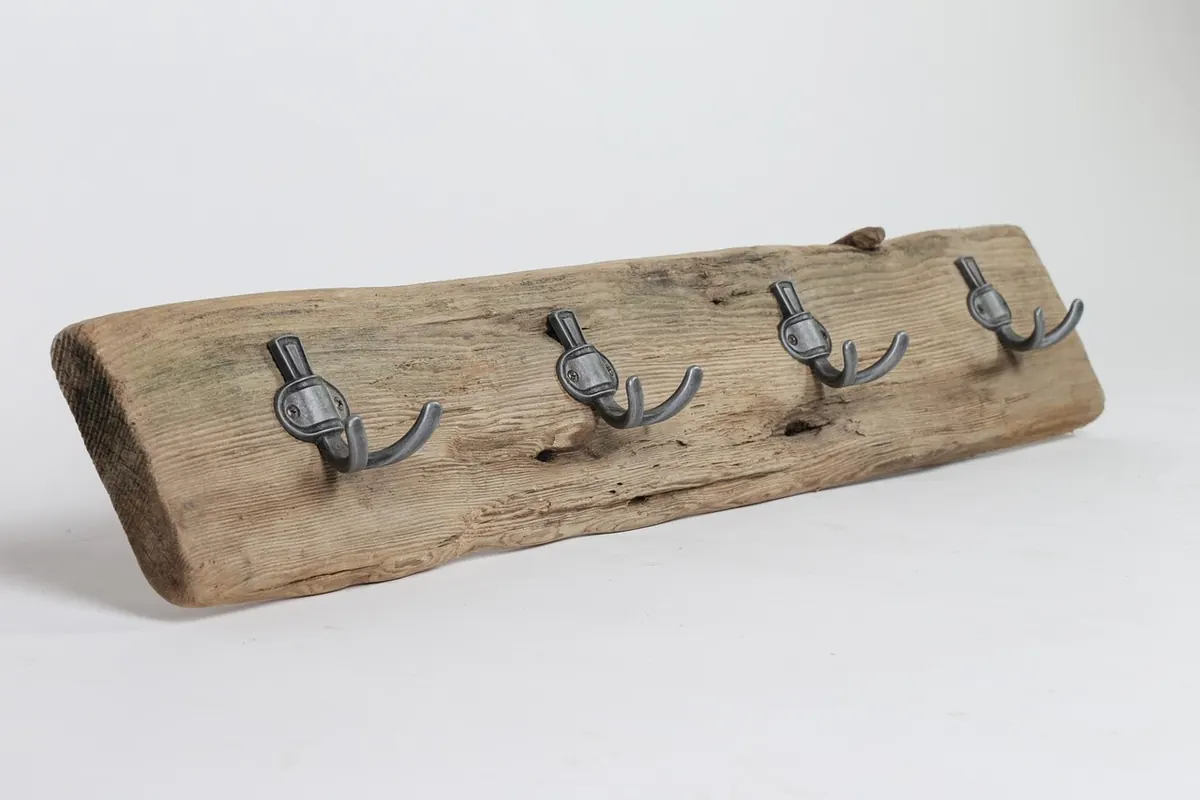
- Repeat one metal and one textile. Aged iron handles in the kitchen, an iron curtain pole in the sitting room, wool in both. Repetition is what makes a mix look deliberate.
- Balance the weight. A pale farmhouse kitchen usually needs one heavy dark object — a dresser, a bench, a stone sink — to stop it floating.
- Add wear sparingly. One worn kilim, one chipped jug, one rickety stool. Three imperfect things in a pale room is plenty.
- Then stop. Live with it for a fortnight before adding anything else. Most over-decorated rooms got that way in a single enthusiastic weekend.
Mistakes That Muddy the Mix
The commonest is layering every cliché at once: shiplap, antlers, a cowhide, an enamel sign and a galvanised bucket in one corner. Each is fine on its own. Together they cancel each other out and the room reads as a theme rather than a home.
The second is fighting the architecture. A Georgian cottage with tall sash windows will resist a heavy cabin interior, no matter how good the furniture is. Work with the proportions and light you already have.
The third is buying new pieces that have been pre-distressed. Rubbed-off paint on a brand new sideboard looks like a factory finish, not a life. Buy plain and let it age, or buy genuinely old.
And watch the light. A couple of warm white lamps will do more for both styles than another cushion or another wall hanging.
Start With One Corner
Pick a single spot rather than the whole room: the shelf above the table, the chair by the window, the alcove beside the fireplace. Give it a plain base, then add one rustic element and one farmhouse element. A scrubbed pine table with a raw oak bench. A pale painted dresser holding dark stoneware and an old brass jug.
Live with it for a week. If it feels right, repeat the same pairing somewhere else in the room using different objects — that repetition is what turns two styles into one scheme. You do not need to buy much. Move what you already own between rooms, and look in charity shops, salvage yards and car boot sales before anywhere else.
Whatever proportion you settle on, aim for a room that looks accumulated rather than assembled. Rustic and farmhouse disagree about paint and light, but they agree completely on that.
Photo: Plato Terentev / Pexels