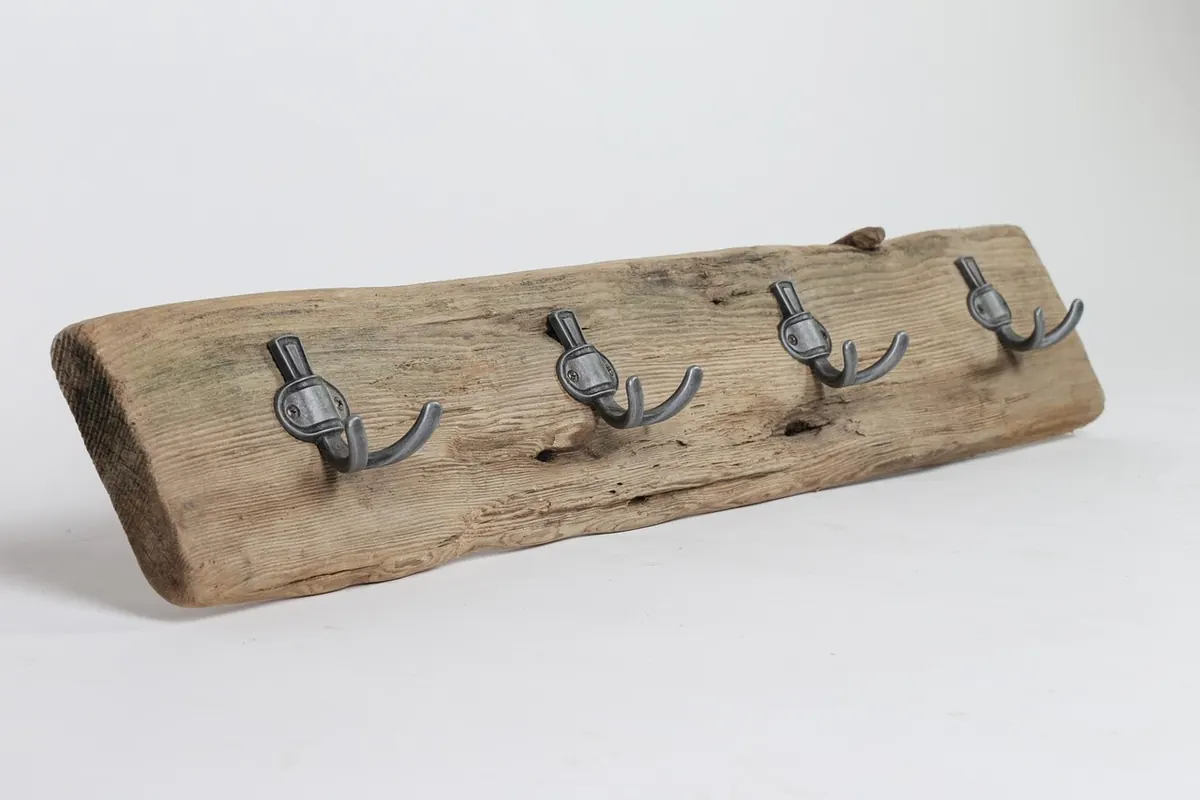
Pine furniture turns up in the least glamorous places: the back room of a charity shop on a wet Saturday, a draughty salvage yard off a ring road, the cluttered corner of a house clearance depot. That is also where the good pieces hide — solid Victorian chests, plain 1930s dressing tables, kitchen dressers that have already survived a century of use. The difference between a bargain and a burden is usually visible in the first five minutes, if you know where to look.
What Counts as Solid Pine
Pine is a softwood, which means it dents, scratches and takes a knock more readily than oak. That is also why it is affordable and forgiving: it sands back easily, holds paint well and responds nicely to wax or oil. Older pine, particularly Victorian and Edwardian pieces, tends to have tighter grain and fewer resinous knots than the fast-grown timber in cheaper modern furniture.
The word "pine" on a label means very little on its own. Plenty of mid-market furniture is chipboard or MDF with a thin pine-effect veneer or a printed foil finish. That is not automatically a reason to walk away, if the price is right and the piece is sound — but it is a reason not to pay solid-pine money for it.
Telling Solid Pine From Veneer and Chipboard
Weight, sound and the tap test
Lift a corner or slide out a drawer. Solid timber has a dense, dull ring when you rap it with your knuckles; a veneered panel often sounds flatter and hollower. Treat this as a clue rather than proof, because a well-made carcass can sound hollow too.
The edges never lie
Look at the end grain on the back of a table top, the front edge of a shelf or the underside of a seat. A repeating pattern of grain, or a perfectly uniform edge with a fine line running along it, means veneer. On solid pine you will see grain that continues around the edge, plus the odd knot, small split or patch where the maker worked around a defect.
Look at the joinery
Older drawers are usually dovetailed — hand-cut on earlier pieces, machine-cut later — and frames are dowelled or mortise-and-tenoned. Staples, plastic corner blocks and cam-and-dowel fittings point to something modern and probably not solid. Check the back panel too: hardboard or plywood backs are perfectly normal and not a problem in themselves.
Woodworm, Damp and Caustic Dipping
Woodworm is the most common reason to put a piece back on the shelf. Look for small oval flight holes, roughly match-head sized, often clustered in legs, stretchers and the back of a carcass. Fresh holes are pale inside; old ones darken.
The holes matter less than the dust. Fine, gritty bore dust that trickles out when you tap the timber — or reappears a week later — suggests the infestation is still active. Crumbly, soft wood around a hole is a bad sign, as is a leg that gives slightly under pressure.
Old, historic worm damage in a dry, well-ventilated piece is common and often harmless once treated, but it is not something to guess about. If a piece is heavily affected, or you plan to put it in a room with other wooden furniture, take advice from a qualified restorer or timber treatment specialist before buying. Any chemical treatment needs careful handling, especially in homes with children, pets or anyone with breathing difficulties, so follow the manufacturer's instructions and use a professional if you are unsure.
Damp is the other quiet killer. Check feet and legs for soft, dark, crumbly wood, sniff the inside of drawers and cupboards, and look for watermarks and lifting joints. Also watch for signs of caustic dipping: dark residue in corners, pale bleached patches, raised grain and joints that have come loose. Dipping strips paint quickly but can weaken glue lines, so a dipped piece may need more work than a painted one.
Prices and Etiquette in Charity Shops
Charity shops are not flea markets. Prices are often set by a manager or a regional pricing guide, and the volunteer on the till may have no authority to change them. That said, there is usually more flexibility than the label suggests.
Ask a simple question rather than launching a low offer: "Is there any movement on this?" works better than "I'll give you a tenner." Timing helps — the end of a sale, the last hour of the day, or a bulky wardrobe that has been blocking the aisle for a month. If you are buying two or three items, ask whether they would do a price for the lot. Many shops will also hold a piece for a deposit, or deliver locally for a small fee, which is worth asking about before you try to fit a dresser into a hatchback.
And keep the shop's purpose in mind. If the price is fair, pay it. A few pounds either way matters less than the object you are taking home.
Salvage Yards and House Clearances
Different rules apply here. Sellers expect a conversation about price, particularly on a cash sale or a multiple purchase. Ask where the piece came from and how it has been stored — a dry barn is very different from a yard open to the rain. Ask whether it has been treated, and whether there is anything else out the back; stock turns over constantly, so visit regularly rather than once. Take a tape measure, a torch and gloves, and respect a "no offers" sign when you see one.
The Ten-Minute Check Before You Pay
- Measure the piece, then measure your doorway, stairs and the space it is going into.
- Open and close every drawer and door; check runners, stops and hinges.
- Rock the piece gently to test the frame for movement.
- Inspect feet and legs for rot, worm, splits and old repairs.
- Look at the undersides of tops and shelves for warping, splits and watermarks.
- Check what is missing: handles, shelves, rails, keys, castors, glass.
- Smell it. Damp, smoke and animal odours can be stubborn.
- Tap along back panels and sides for loose sections.
- Ask whether it has been dipped, painted or treated.
- Confirm delivery, holding and returns before money changes hands.
Getting It Home and Living With It
Resist the urge to strip and repaint the moment it lands in your hallway. Dust it, wipe it with a damp cloth and mild soap, let it dry properly, and live with it for a few weeks. Much of the character of old pine is in the uneven colour, the filled knots and the dents, and a heavy-handed restoration flattens all of it. A light sand and a coat of wax or oil will usually do more than a full refinish.
Deal with any active woodworm before you bring the piece inside, check it for damp if it has been stored in a cold outbuilding, and be willing to walk away. Charity shops and salvage yards refill constantly, and the right chest of drawers will come round again.
Photo: JayMantri / Pixabay