Rustic decorating goes wrong in two ways. It tips into themed pastiche — stencilled hearts, fake woodgrain, a room that looks like a gift shop. Or it becomes a jumble of old things with no warmth in it at all. The rooms that feel genuinely like a British cottage, a bit worn, softly lit, comfortable enough to fall asleep in on a Sunday afternoon, get there through a fairly small number of dependable choices. Textures you want to touch. Materials that improve with age. Light that flatters rather than interrogates.
What follows is fifteen essentials, grouped so you can work through them a room at a time. You do not need all of them, and you certainly do not need them all at once. You do need the first few in place before the rest will look right.
Start With Textures You Want to Touch
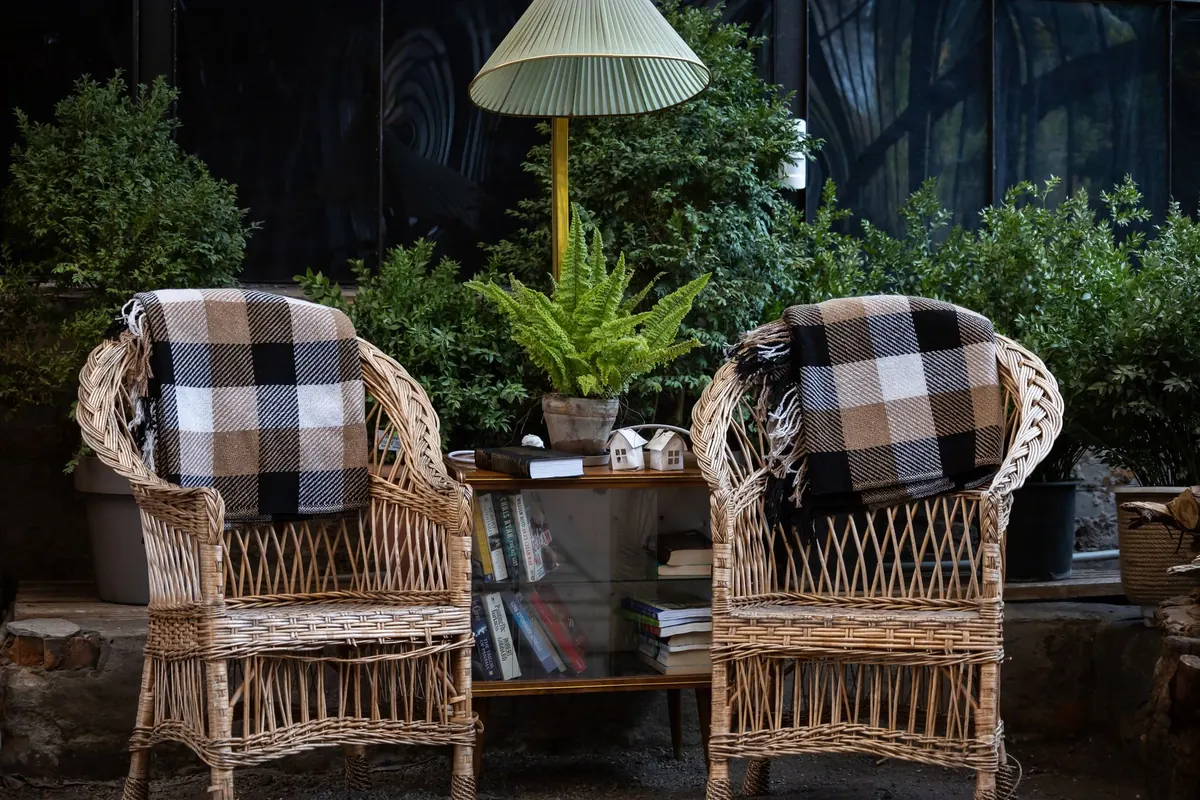
A cottage is judged by the hand, not the eye. Before you worry about paint colours, get something soft within reach of every seat. Wool is the workhorse: a Welsh or Yorkshire wool throw in oat, grey or faded red, heavy enough to stay put on the back of a sofa. Washed linen is the summer counterpart — cushion covers in stone or pale clay, deliberately creased, nothing ironed flat.
Sheepskin is the quickest fix in the house. One over the arm of a chair, or on a bench by the door, softens a corner instantly and adds the irregular shape that mass-produced furniture lacks. Add a chunky knit — a pouf, a cushion, a blanket — and you have three textures working together: smooth, nubbly and dense.
A note on synthetics. Acrylic throws look convincing in a shop and disappointing on a sofa; they pill, they hold static, and they never soften the way wool does after a few winters. If money is tight, buy one good wool blanket from a charity shop or an auction rather than three cheap ones.
Choose Materials That Age Gracefully
Rustic means honest, not shabby. Oak, elm, pine and reclaimed timber all improve with use — the marks and dents read as history rather than damage. Leave wood bare or feed it with wax or oil instead of sealing it under thick lacquer, and it will keep deepening in colour. A scrubbed pine table, a chipped stoneware bowl, a slate hearth: these are the surfaces a cottage is built on.
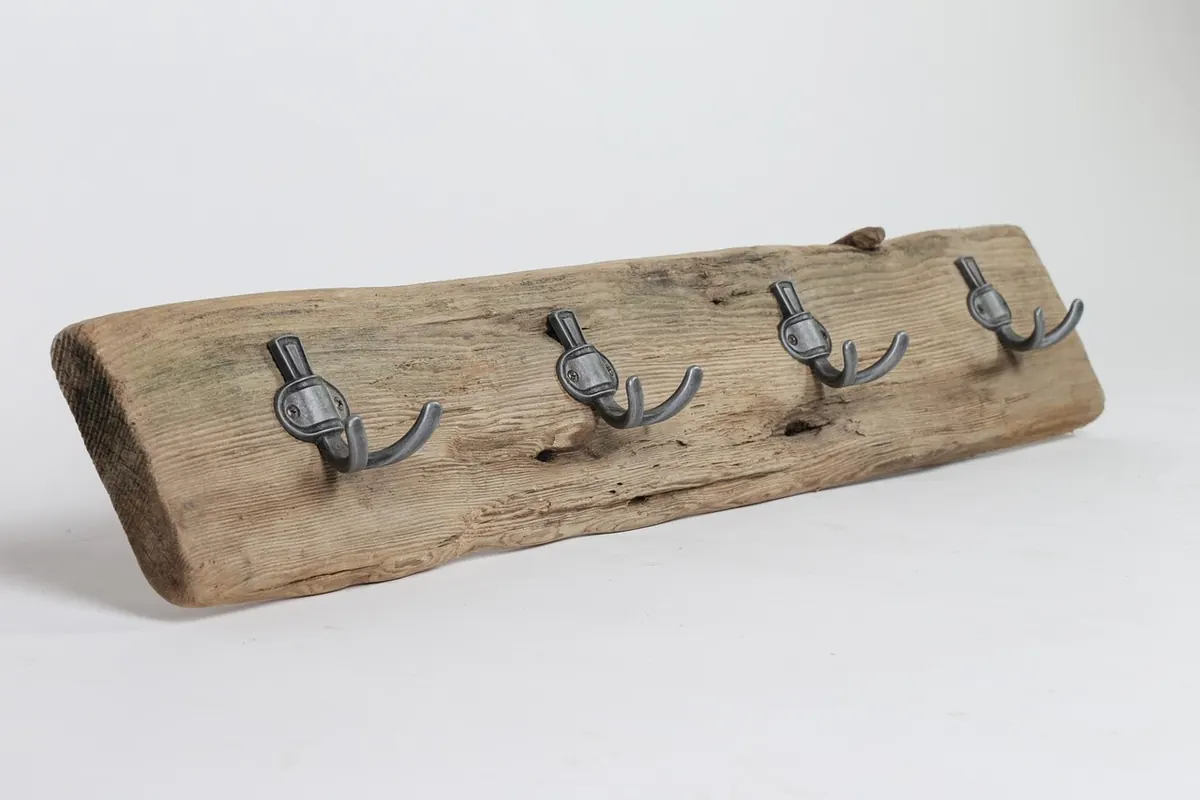
Terracotta and stoneware earn their place twice over, holding plants, utensils, candles or spoons. Metal should be allowed to tarnish: iron door handles, brass hooks, a pewter jug, an old copper pan hung on a wall. Nothing in the room should look as though it has just come out of a box.
Where to look
Farm sales, house clearances, auction rooms, charity shops in market towns and the back of your own loft are all better sources than a themed homeware aisle. Buy slowly, and only things you would still want in ten years.
Borrow Your Palette From the Landscape
British cottage colour comes from outdoors: oat, stone, clay, moss, sage, weathered grey, and the deep blues and greens of a winter coast. Pick three and stay with them. Keep walls pale and slightly chalky — a matt finish, never vinyl silk — and put the darker shade on woodwork, doors and skirting, where it reads as deliberate rather than dingy.
An easy method: choose your main colour from something you already own and love, a rug, a print, a piece of china. Take the second colour from the same object, then add off-white or aged cream as the third. If a room feels cold, it is usually the light rather than the paint.
Light It Like a Cottage, Not a Showroom
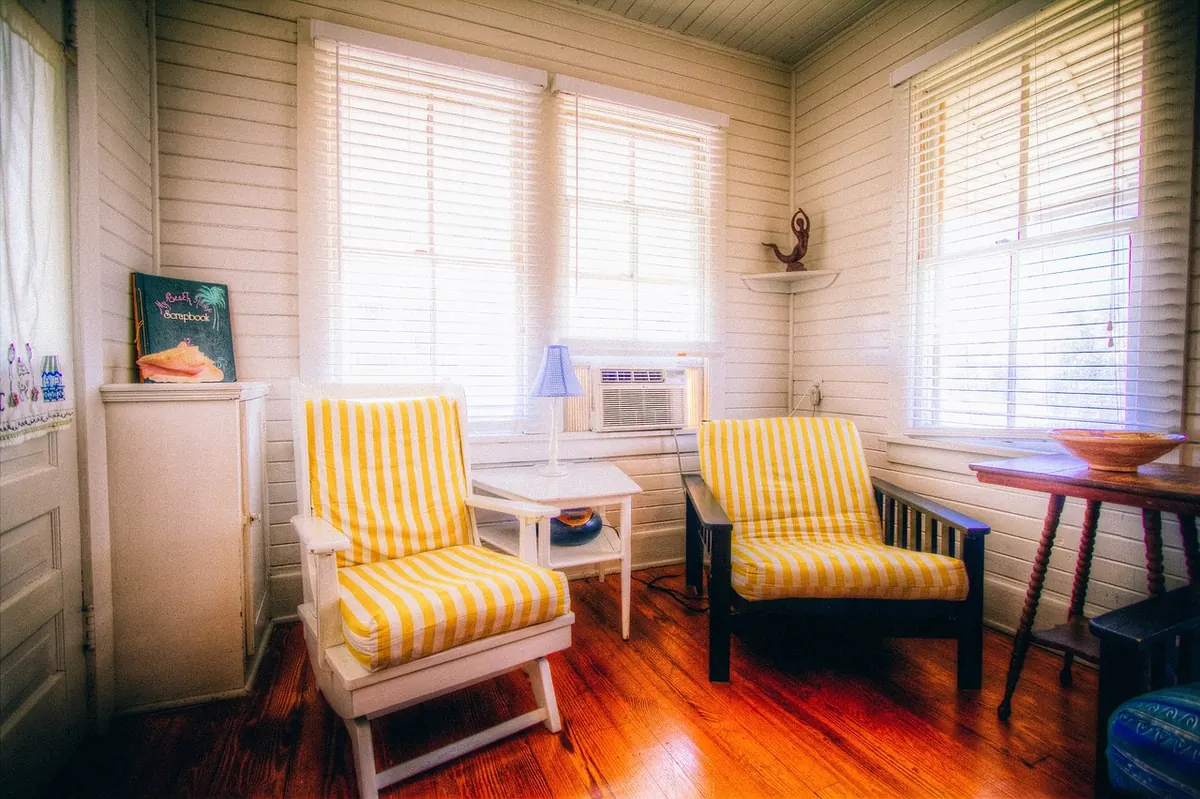
Overhead downlights flatten a room and make even good furniture look like an office. Cottage light comes in pools: a table lamp beside an armchair, a small lamp on a dresser, a floor lamp angled at the wall behind a sofa. Two or three low sources in a living room will do more for atmosphere than any amount of soft furnishing.
Choose warm bulbs, no harsher than you need, and put dimmers on the main circuits so you can drop the level after dark. Fabric or ceramic shades — linen, pleated cotton, aged brass — soften the glow. Then add candles in proper holders, tall ones in old bottles or sturdy iron candlesticks. A fire, real or gas, is the original focal point; arrange seating around it rather than around a television if the shape of the room allows.
Furnish It to Look Lived In
Matching sets are the enemy of cosiness. A dresser, a settle bench, a gateleg table found at auction, a couple of mismatched wooden chairs and a trunk used as a coffee table will look more settled than anything bought as a suite. Keep at least one plain wall, and leave gaps between things. Cottages are small, and clutter in a small room reads as clutter rather than character.
Give everyday things a home
Baskets do most of the work: one by the door for logs, boots or dog leads; a shallow one on the dresser for post and keys; a lidded one beside a chair for knitting or magazines. Hooks on the back of a door, a shelf over a radiator, a stack of old suitcases used as a side table — storage that looks like furniture rather than storage.
Finish With the Details
The last ten per cent is what makes a room feel finished rather than assembled. Work in odd numbers, vary heights, and leave things slightly out of place — a book left open on a chair arm, a half-burned candle, a jug of greenery cut from the garden.
- Dried or seasonal greenery: eucalyptus, honesty seed heads, dried hydrangea or a few stems of rosemary in a stoneware pitcher.
- Books: stacked on a coffee table, propped on a shelf, arranged by something other than colour.
- Ceramics: a mixing bowl, a milk jug, a hand-thrown mug, a bowl of plums.
- Printed things: an unframed etching, an old map, a botanical print in a plain frame or a charity-shop gilt one.
- Scent: woodsmoke, lavender, beeswax polish. Keep it light, and nothing that smells like a car air freshener.
- A rug: wool or jute, big enough that furniture legs sit on it rather than around it.
Your Fifteen-Point Checklist
Copy this into your notes and work through a room at a time. Tick off what you already have before buying anything new.
- A wool or wool-blend throw in a muted colour.
- Two or three washed linen cushion covers.
- A sheepskin over a chair, bench or bed end.